Google Ad Grants for Environmental and Conservation Nonprofits
Environmental nonprofits have one of the largest keyword universes in the Grant ecosystem. Climate change, sustainability, conservation, renewable energy, pollution, recycling, wildlife protection: these topics generate millions of searches monthly. The challenge isn't finding keywords; it's narrowing them to terms that are specific enough for good CTR and relevant enough to your particular mission.
This guide covers how to build a Google Ad Grant strategy that channels environmental search interest into meaningful engagement with your organization.
Key Takeaways - Environmental keywords have massive volume, but many are too broad without proper targeting - Educational content campaigns are the #1 spend driver for environmental nonprofits - Awareness days (Earth Day, World Environment Day) create major traffic spikes - Advocacy and petition campaigns can drive significant conversions - Local focus (conservation in your area) typically outperforms national/global keyword competition
Campaign Structure
Campaign 1: Brand
Keywords: Organization name, abbreviations, "[org name] volunteer," "[org name] donate"
Campaign 2: Education and Awareness (Your Volume Driver)
This is where environmental nonprofits spend the most Grant budget. People search for environmental information constantly:
Ad Group: Climate and Carbon Keywords: "how to reduce carbon footprint," "climate change solutions," "what causes climate change," "carbon offset explained," "renewable energy facts"
Ad Group: Recycling and Waste Keywords: "how to recycle [material]," "recycling guide," "where to recycle electronics [city]," "reduce plastic waste," "composting at home," "zero waste tips"
Ad Group: Conservation Keywords: "how to protect wildlife," "endangered species [region]," "conservation volunteering," "protect forests," "ocean conservation"
Ad Group: Sustainability Keywords: "sustainable living tips," "eco-friendly products guide," "sustainable eating," "green home improvements," "energy saving tips"
Landing pages: Blog posts, guides, fact sheets, and resource pages. Each educational keyword needs a matching content page. See our keyword volume guide for how content creation enables keyword expansion.
Campaign 3: Local Programs and Events
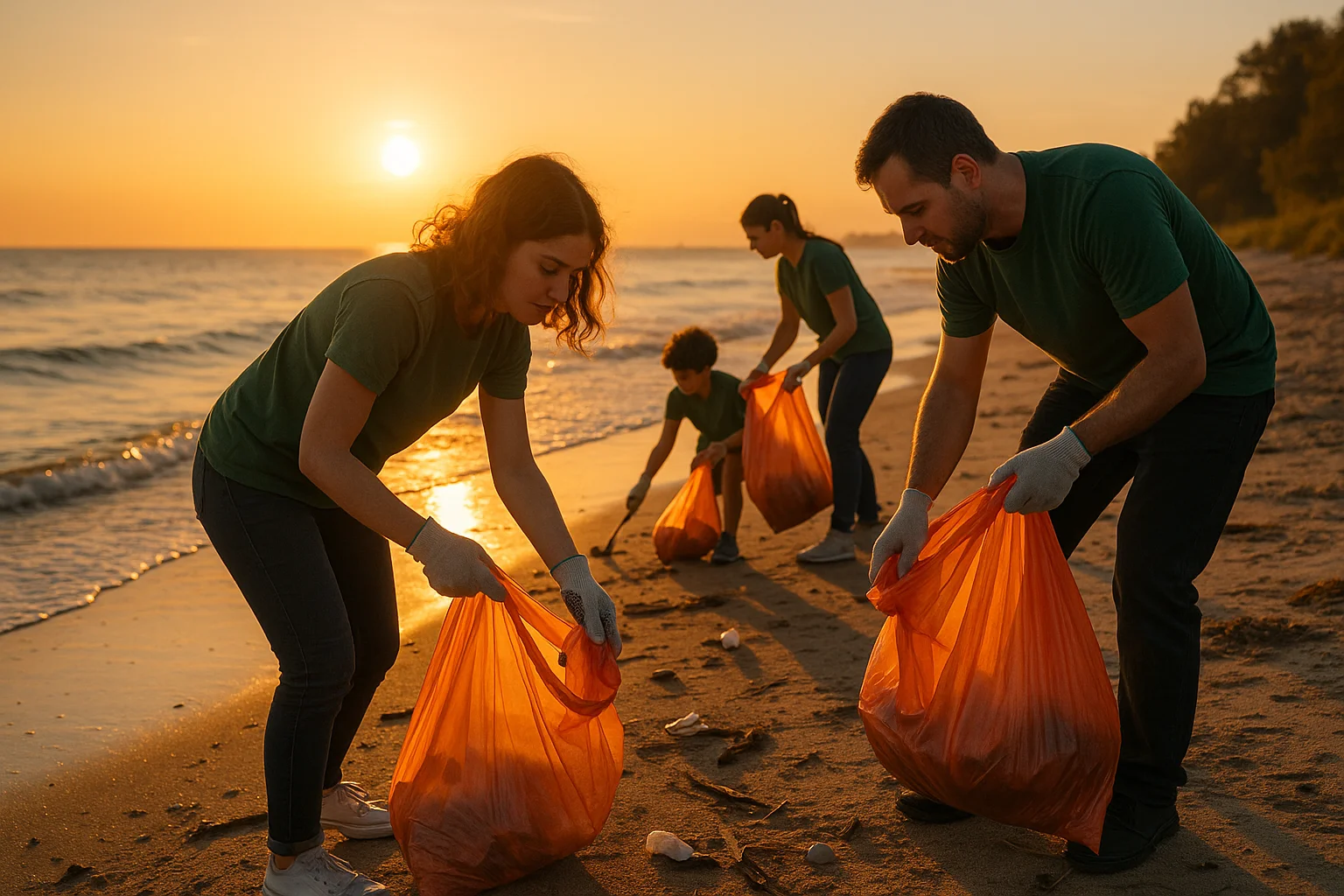
Ad Group: Volunteer Events Keywords: "tree planting [city]," "beach cleanup [city]," "trail maintenance volunteer," "conservation volunteer [city]," "environmental volunteer near me"
Ad Group: Community Programs Keywords: "community garden [city]," "environmental education [city]," "nature walk [city]," "ecology class [city]"
Ad Group: Local Environmental Issues Keywords: "[city] water quality," "[river/lake] cleanup," "[city] air quality," "local conservation [city]"
Campaign 4: Advocacy and Action
Ad Group: Petitions and Campaigns Keywords: "environmental petition," "save [species/habitat]," "stop [environmental threat]," "protect [natural area]," "climate action petition"
Ad Group: Legislative Action Keywords: "contact representative environment," "environmental policy [state]," "climate legislation," "environmental advocacy"
Landing pages: Petition pages, letter-writing tools, action alerts. Track petition signatures and letter submissions as conversions. See our advocacy guide.
Campaign 5: Donations
Keywords: "donate to environmental charity," "support conservation," "climate change donation," "protect wildlife donate," "earth charity donation"
Campaign 6: PMax
Purpose: Maps visibility for organizations with nature centers, conservation areas, community gardens, or offices that host programs.
Avoiding Overly Broad Keywords
Environmental topics are so popular that some keywords are too broad to be effective:
| Too Broad (Avoid) | Specific Enough (Use) |
|---|---|
| "climate change" | "how to reduce your carbon footprint at home" |
| "environment" | "environmental volunteer opportunities [city]" |
| "pollution" | "plastic pollution solutions" |
| "nature" | "nature conservation volunteer near me" |
| "green" | "green energy for homes" |
Broad terms generate massive impressions but low CTR because the searcher's intent is vague. Specific terms attract people with clear intent who are more likely to click and convert. The broad terms may also violate single-word keyword policies.
Awareness Day Campaign Calendar
Environmental nonprofits have more awareness days than almost any other vertical:
| Date | Awareness Day | Keywords |
|---|---|---|
| February 2 | World Wetlands Day | "wetlands conservation," "protect wetlands" |
| March 3 | World Wildlife Day | "wildlife conservation," "protect endangered species" |
| March 22 | World Water Day | "clean water," "water conservation," "water crisis" |
| April 22 | Earth Day (biggest traffic day) | "earth day events [city]," "earth day volunteer," "what can I do for earth day" |
| May 22 | International Day for Biological Diversity | "biodiversity," "protect biodiversity" |
| June 5 | World Environment Day | "world environment day," "environmental action" |
| June 8 | World Oceans Day | "ocean conservation," "protect oceans," "ocean cleanup" |
| September | National Clean Up Month | "cleanup event [city]," "community cleanup volunteer" |
| November | America Recycles Day (Nov 15) | "recycling guide," "how to recycle" |
Earth Day (April 22) is the single largest traffic opportunity. Prepare dedicated campaigns 6 weeks in advance. Search volume for environmental terms can triple during Earth Day week.
Building Email Lists Through Your Grant
Environmental nonprofits are uniquely positioned to use the Grant as an email list building tool. Here's why: millions of people search for environmental information, and many will exchange their email for a valuable resource.
Strategy:
- Create high-quality downloadable resources (recycling guides, carbon footprint calculators, sustainable living checklists)
- Target educational keywords in your Grant campaigns
- Landing pages offer the resource in exchange for an email address
- Nurture the email list toward donations, volunteer sign-ups, and advocacy actions
Email has $36-$44 ROI per dollar spent. The Grant fills the top of this funnel for free.
Negative Keywords for Environmental Nonprofits
Environmental keywords attract a lot of irrelevant traffic. Block these aggressively:
- Academic: "environmental science degree," "ecology PhD," "environmental studies program"
- Jobs: "environmental engineer jobs," "conservation officer salary," "green jobs"
- Products: "eco-friendly products buy," "solar panels price," "electric car cost"
- Homework: "climate change essay," "environmental science homework," "ecology assignment"
- News: "[specific disaster] news," "[political figure] climate"
Review your Search Terms report weekly. Environmental campaigns attract more irrelevant queries than most verticals due to the breadth of the topic.
Tracking Conversions
| Conversion Action | Priority | Notes |
|---|---|---|
| Petition signatures | Primary | Core advocacy action |
| Volunteer sign-ups | Primary | Direct program participation |
| Donations | Primary | Financial support |
| Email sign-ups | Primary | List building for ongoing engagement |
| Event registrations | Primary | Cleanups, plantings, workshops |
| Resource downloads | Secondary | Engagement metric |
Maximize Your Environmental Nonprofit's Grant
GrantMax evaluates your environmental organization's Grant account and identifies which keyword areas are underserved and where educational content could drive more spend.
Prefer to hand it off to an expert? Our Google Ad Grant management services can build the content-driven keyword strategy environmental nonprofits need. Explore Grant Services
Frequently Asked Questions
How much can an environmental nonprofit expect to spend from the Grant? Environmental nonprofits with strong educational content can spend $5,000-$10,000/month due to enormous keyword volume. Organizations with limited website content may start at $1,000-$3,000 and grow as they create more resources.
Our mission is very niche (e.g., protecting one specific river). Is there enough volume? Local environmental searches have modest but meaningful volume. Supplement with broader educational content related to your cause (water quality, watershed protection, local ecology) and advocacy keywords. See our niche keyword strategies guide.
Should we target political or controversial climate terms? Stick to actionable, educational content rather than politically charged terms. "How to reduce energy use at home" performs better and is less contentious than "climate policy debate." Your educational content serves people across the political spectrum.
Does this strategy apply to environmental organizations globally? Yes. The educational content approach, awareness day campaigns, and local program promotion work worldwide. Adapt awareness dates for your region (some are global, some are country-specific). The environmental keyword universe is similarly vast in most languages.
Key Takeaways
- Educational content campaigns are the #1 spend driver for environmental nonprofits
- Avoid overly broad keywords: "how to reduce carbon footprint" beats "climate change"
- Earth Day (April 22) is the biggest single traffic opportunity; prepare 6 weeks early
- Block irrelevant traffic aggressively: academic, jobs, products, homework, news
- Use the Grant to build email lists through downloadable environmental resources
- Local programs and events have strong intent and convert well
- Petition signatures and email sign-ups are high-value conversions for advocacy organizations
Published: March 2026 | Last Updated: March 2026 | Author: GrantMax Category: Nonprofit Verticals | Tags: Verticals, Environmental